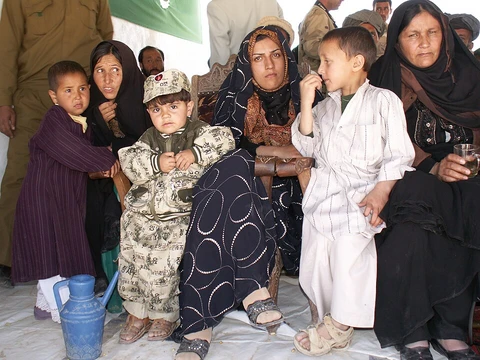
Family planning
Regulating the number and spacing of births through various methods.

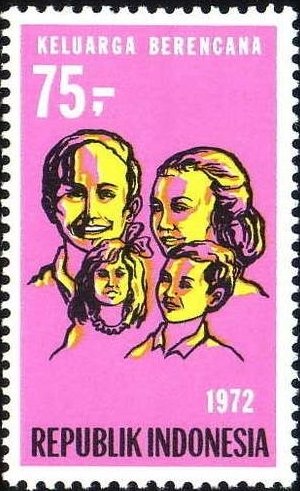
Sallyforthwit · CC BY-SA 3.0
Family planning is the consideration of the number of children a person wishes to have, including the choice to have no children, and the age at which they wish to have them. It encompasses services leading up to conception, including contraception, sex education, pre-conception counseling, infertility management, and abortion. Family planning is sometimes used as a synonym for access to contraception, but it often involves methods and practices beyond contraception.
- field
- Reproductive health and population policy
- known_for
- Regulating number and spacing of births through contraception, education, and related services
- key_organizations
- United Nations, World Health Organization, US Centers for Disease Control and Prevention
- related_concepts
- Birth spacing, reproductive life plan, demographic dividend
Lore & Background
Family planning, as defined by the United Nations and the World Health Organization, encompasses services leading up to conception, including contraception, sex education, pre-conception counseling, infertility management, and abortion. Historically and currently, notions of family planning place the majority of the burden and health risks on women in heterosexual relationships, despite male contraceptive options being increasingly accessible, lower risk, and more affordable. Childbearing decisions center women in the discussion, as notions of women's empowerment and reproductive autonomy have gained traction in many parts of the world.
Reader's Guide
Family planning is among the most cost-effective of all health interventions, with cost savings stemming from a reduction in unintended pregnancy and transmission of sexually transmitted infections. The WHO states that maternal health refers to the health of women during pregnancy, childbirth, and the postpartum period, and that for too many women it is associated with suffering, ill-health, and even death. About 99% of maternal deaths occur in less developed countries. Family planning slows unsustainable population growth, which drains resources from the environment and national and regional development efforts. The programs, used by many developing countries between 1950 and 1995, are controversial due to coercion, primarily in China, India, and Peru. A report from the World Bank Group concluded that for the most part, the family planning program 'experiment' worked, contributing substantially to the revolutionary rise of contraceptive use and to the decline in fertility in the developing world.
Did You Know?
- Family planning, as defined by the United Nations and the World Health Organization, encompasses services leading up to conception, including abortion.
- Family planning programs used by many developing countries between 1950 and 1995 are controversial due to coercion, primarily in China, India, and Peru.
- For every dollar invested in contraception, the cost of pregnancy-related care is reduced by $1.47.
Origins of the Term and Its Shifting Boundaries
The phrase 'nuclear family' is surprisingly recent in the English language. Merriam-Webster traces its first appearance to 1924, while the Oxford English Dictionary records a 1925 reference, making it a term of barely a century's age. The word borrows from 'nucleus,' which itself descends from the Latin nux, meaning 'nut' — the dense core of something. Despite its modern coinage, the concept it describes has deep roots. George Murdock offered an early formal description, framing the family as a social group defined by shared residence, economic cooperation, and reproduction, containing adults of both sexes in a socially approved relationship along with one or more children. Yet even this foundational definition has been contested. Some observers limit the term to biological, full-blood siblings, while others embrace adopted children, half-siblings, and step-parents. In its broadest contemporary interpretation, the nuclear family can encompass same-sex parents and additional adult relatives who assume a cohabiting parental role, reflecting how the boundaries of 'immediate family' continue to evolve with each generation.
A Deep History Written in Bone and Ledger
The earliest archaeological evidence of a two-parent family unit with multiple children comes from DNA extracted from bones and teeth at a 4,600-year-old Stone Age burial site in Germany. In England, historians Alan Macfarlane and Peter Laslett argue that nuclear family arrangements became dominant from the 13th century onward, a pattern distinct from Southern Europe, parts of Asia, and the Middle East, where young adults commonly remained in or married into a family home. Joseph Henrich has suggested this English pattern traces back to the Catholic Church's medieval ban on cousin marriage, which broke up extended kinship networks and pushed young couples toward independent households. Sociologist Brigitte Berger noted that this forced young families to be flexible, mobile, and self-reliant, developing habits of saving and planning that may have contributed to the Industrial Revolution taking root in Northwest Europe. However, Cord Oestmann has challenged the historicity of this narrative, and Steven Ruggles' census analysis suggests that nineteenth-century Northwest Europe and North America did not exhibit exceptionally simple family structures.
The Extended Family as a Living Counterweight
While the nuclear family is often treated as the default unit, many sociologists and anthropologists argue that the extended family has been the more common arrangement across most human cultures and historical periods. An extended family weaves non-immediate relatives — grandparents, aunts, uncles, cousins — into the daily fabric of child-rearing and household life. Resources flow in multiple directions: money, objects, and, crucially, time. Grandparents watching grandchildren, for instance, frees parents to pursue careers and eases their stress. This broader web of adult support also contributes to children's mental health, offering a community dimension that a two-parent household alone cannot replicate. The nuclear family, by contrast, is defined by its compactness: two parents and their children in one residence, with the burden of economic cooperation and child-rearing concentrated within that single unit. The tension between these two models — the self-contained nuclear core and the sprawling extended network — has shaped debates about family policy, child development, and social support for centuries.
A Landscape in Constant Redrawing
Since the term was coined in the 1920s, the actual prevalence of the nuclear family in North America has steadily declined while alternative family formations have grown. In 2005, the U.S. Census Bureau reported that 70% of American children still lived in two-parent households, but only 66% of those were with married parents, and just 60% with their biological parents. Pew Research Center analysis of American Community Survey and decennial census data revealed a precipitous rise in the number of children living outside the traditional model of parents marrying young and remaining together for life, a shift that accelerated from the mid-to-late twentieth century into the early twenty-first. The Census Bureau also noted that the dramatic structural changes that had been unfolding since the late 1960s appeared to have leveled off after 1990. Meanwhile, conjugal roles themselves have transformed: where men were once assumed to be sole breadwinners and women the primary caregivers, modern households increasingly see shared financial responsibility, and same-sex couples have become a visible and growing presence in family life.
Gallery
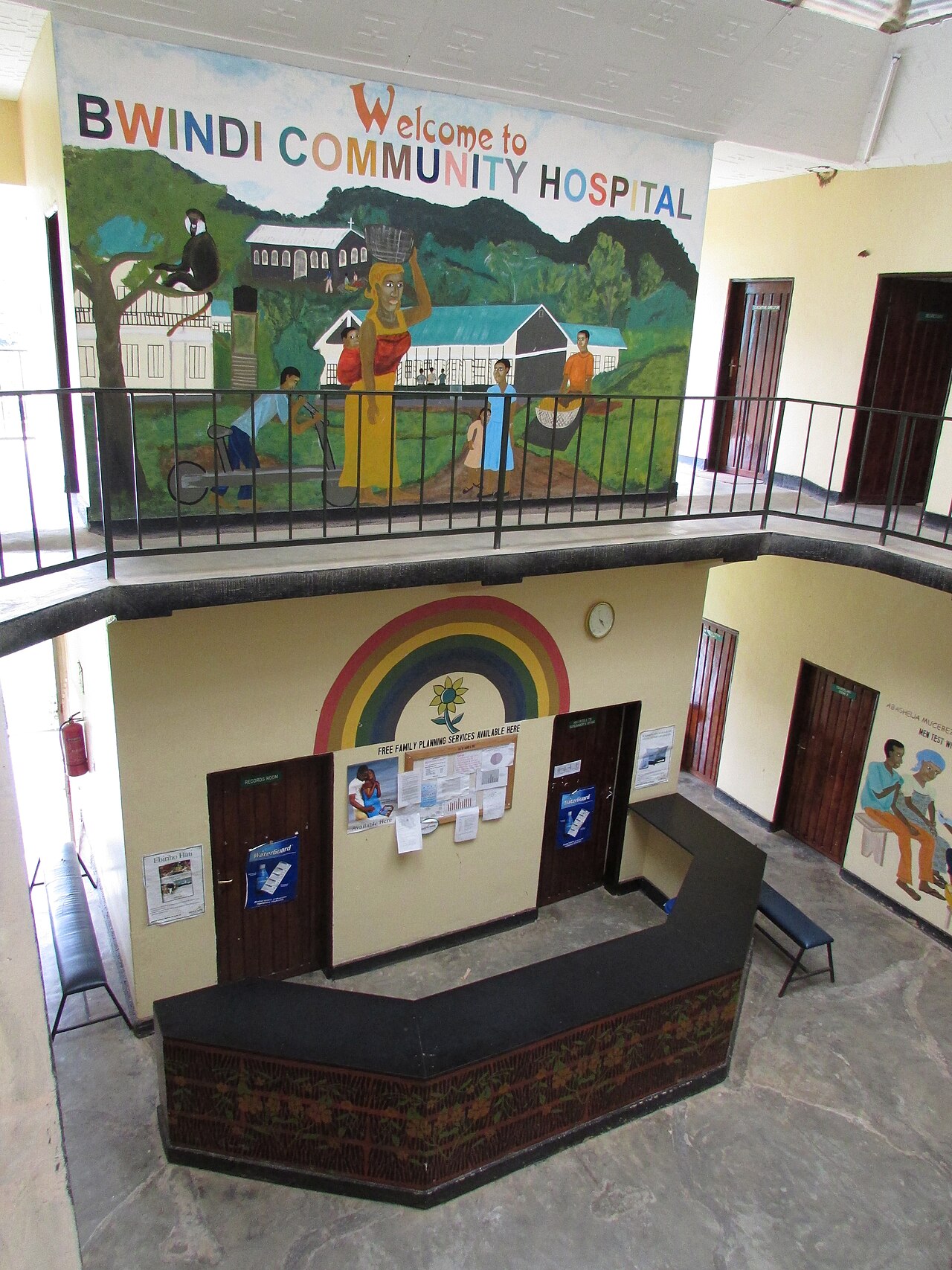
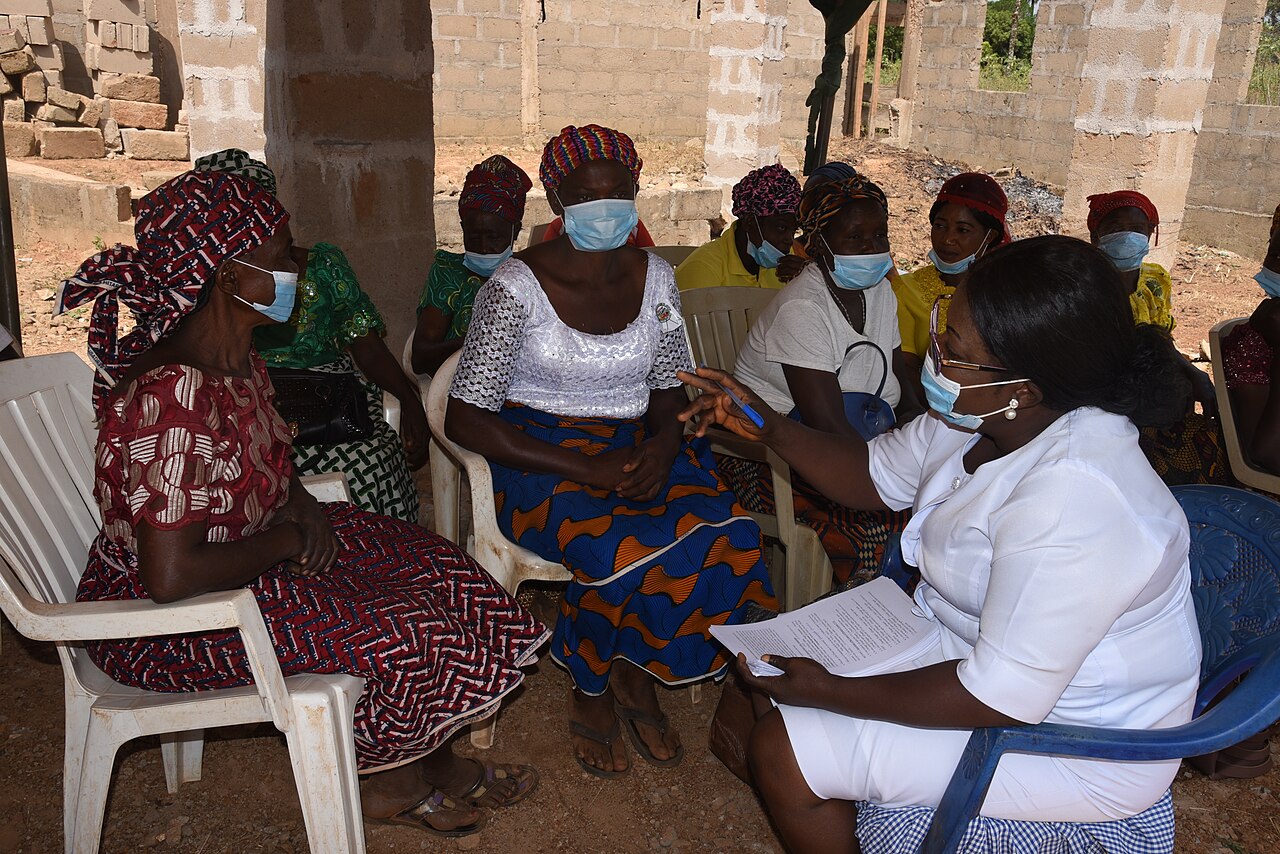
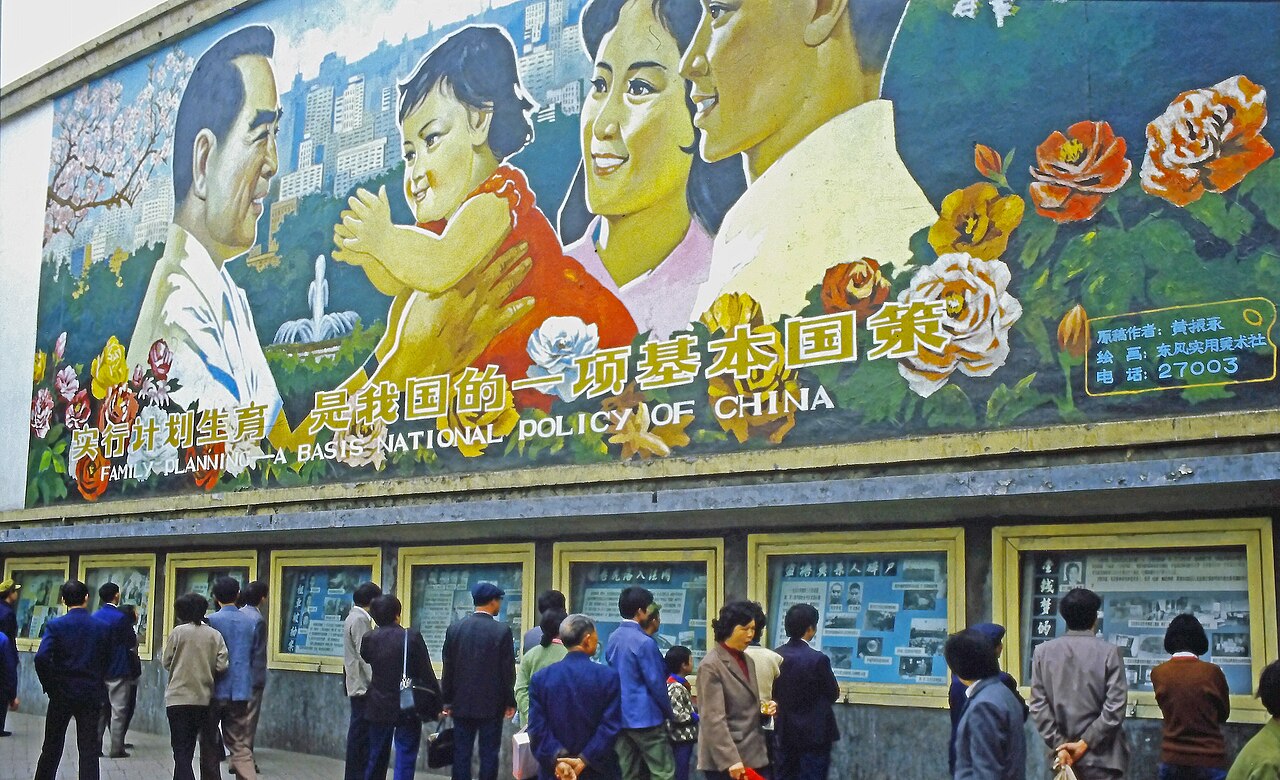


Frequently Asked Questions
What is Family planning?
Family planning refers to a person's deliberate decisions about how many children they want and at what ages to have them, including the option of having none at all. It covers the full range of services that support those decisions, from pre-conception counseling to contraception and infertility care.
What services fall under Family planning?
Beyond contraception, the field includes sex education, pre-conception counseling, infertility management, and abortion services. It is broader than birth control alone, encompassing the entire journey leading up to and including conception.
Which organizations are most associated with Family planning?
The United Nations, the World Health Organization, and the U.S. Centers for Disease Control and Prevention are the principal bodies that shape global and national family-planning policy and service delivery.
How does Family planning differ from simply using contraception?
While contraception is one tool within the field, family planning also addresses birth spacing, reproductive life planning, and demographic considerations like the demographic dividend. It frames the choice of timing and number of children within a wider health-and-policy context rather than focusing solely on preventing pregnancy.
Why is Family planning considered important in reproductive health and population policy?
By helping individuals regulate the number and spacing of their births, it supports maternal and child well-being, enables people to pursue education and economic goals, and contributes to broader demographic stability. It is a cornerstone of reproductive health systems worldwide.
More in Family And Kinship 1-15
Spotted an error? Know more?
This is a living reference — every entry is fact-audited, and reader corrections feed straight into our audit queue. Suggest an edit · See this site's audit record