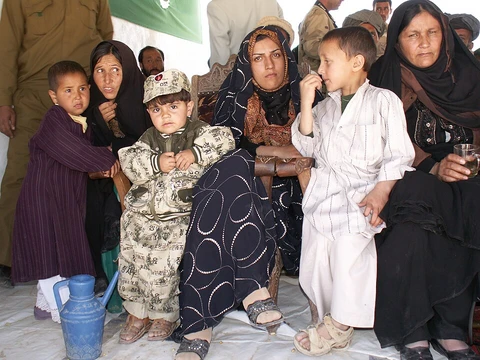
Grandparent
Grandparents are second-degree relatives sharing 25% genetic overlap.

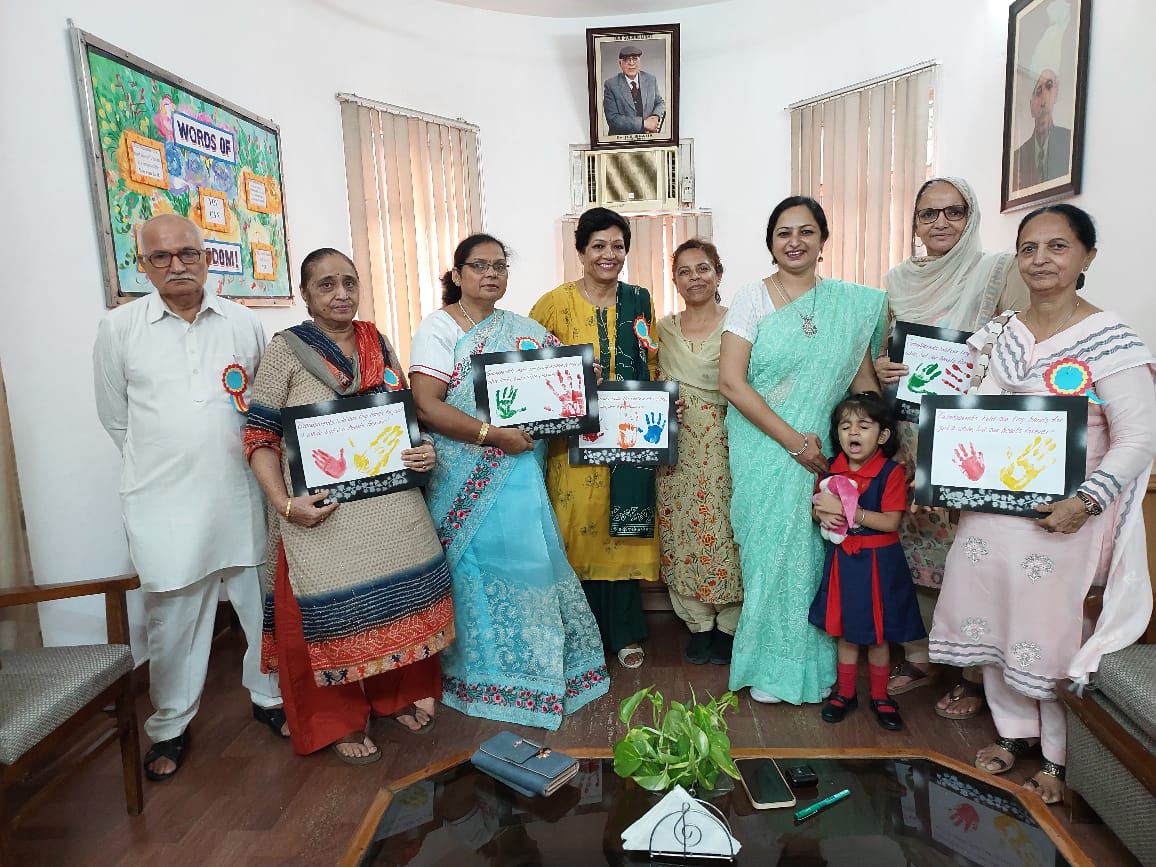
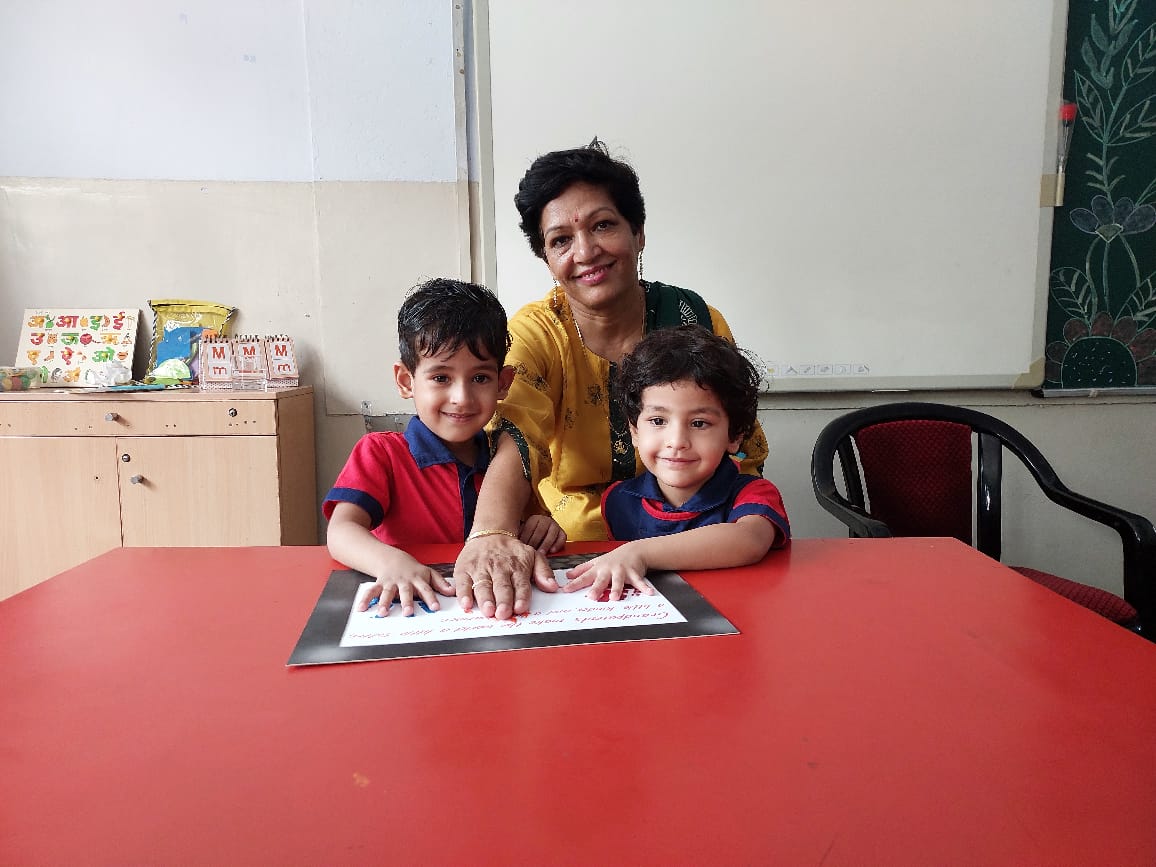
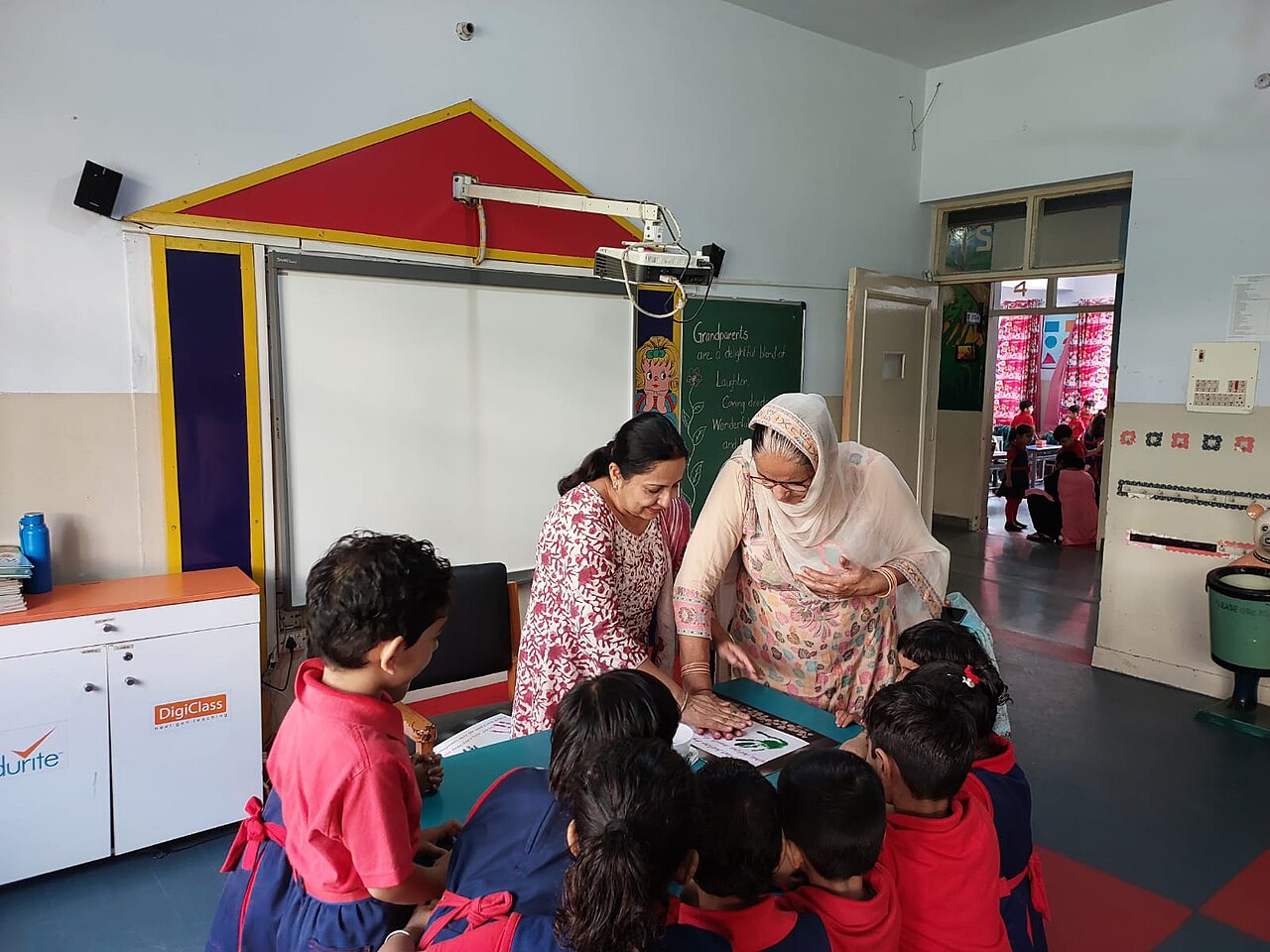
Pratap Public School, India · CC BY-SA 4.0
Grandparents are the parents of a person's father or mother, referred to as paternal or maternal. They are second-degree relatives to their grandchildren, sharing a 25% genetic overlap.
- born
- Not specified
- died
- Not specified
- field
- Kinship, family structure
- nationality
- Global
- known_for
- Being second-degree relatives; role in childcare and information preservation
Lore & Background
Grandparents, individually known as grandmother and grandfather, or Grandma and Grandpa, are the parents of a person's father or mother. Every sexually reproducing living organism who is not a genetic chimera has a maximum of 4 genetic grandparents, 8 genetic great-grandparents, and so on. It is not known for certain what spurred this increase in longevity, but it is generally believed that a key consequence of three generations being alive together was the preservation of information which could otherwise have been lost.
Reader's Guide
Grandparents have a significant role in family structures and childcare. In cases where parents are unwilling or unable to provide adequate care, grandparents often take on the role of primary caregivers. Even when not primary caregivers, particularly in traditional cultures, grandparents have a direct and clear role in the raising, care, and nurture of children. Contemporary studies show that around 10% of children in the U.S. live in a household including a grandparent, and more than 40% of grandparents across 11 European countries care for their grandchildren in the absence of the parents. In Eastern societies, grandparent involvement is also common, with 48% of grandparents in Hong Kong and 58% of Chinese grandparents aged 45 or older involved in childcare. The prevalence of grandparent involvement is attributed to increased life expectancy, decreased fertility rates, and more mothers in the workforce.
Did You Know?
- Every sexually reproducing living organism who is not a genetic chimera has a maximum of 4 genetic grandparents.
- Grandparents are second-degree relatives to their grandchildren and share 25% genetic overlap.
- In Sweden, there is no single word for 'grandmother'; the mother's mother is termed mormor and the father's mother is termed farmor.
Biological Foundations and an Evolutionary Turning Point
Grandparents occupy a precise slot in the genetic architecture of any sexually reproducing organism that is not a chimera. As second-degree relatives, they share exactly 25 percent of their genetic material with their grandchildren, and the ancestor count doubles cleanly with each generation upward: four grandparents, eight great-grandparents, sixteen great-great-grandparents, thirty-two beyond that, and sixty-four after. Perhaps the most striking fact in this domain is evolutionary. Roughly thirty thousand years ago, the number of modern humans who survived long enough to reach grandparent status began to climb. The exact trigger for that longevity shift remains uncertain, but scholars generally credit the three-generation household with a powerful information-preservation function. Knowledge that might otherwise vanish with a single generation—such as where to locate water during a prolonged drought—could now be carried across three living generations, giving early human groups a survival edge that no single-generation society could match.
The Caregiving Role and Its Social Weight
When a parent faces financial hardship, illness, the loss of a spouse, or the breakdown of a marriage, grandparents frequently step into the role of primary caregivers for their grandchildren. This is not merely a fallback arrangement; in many traditional cultures, grandparents hold a clearly defined and direct role in the daily raising, nurturing, and care of children even when parents are fully present and capable. Their involvement is woven into the family structure as a matter of cultural expectation rather than emergency response. The genetic closeness—25 percent shared DNA, a second-degree kinship—underscores how deeply this caregiving bond is rooted in biology, yet the social and emotional dimensions of the role extend far beyond mere genetics. Whether filling a gap created by parental absence or simply sharing the responsibilities of child-rearing across three generations, grandparents serve as a stabilizing force that sustains family continuity through periods of disruption.
A Global Lexicon of Grandparenting
No single language captures the full spectrum of grandparental relationships as neatly as English does. In Bangladesh, Pakistan, and much of India, maternal grandparents are Nana and Nani while paternal grandparents are Dada and Dadi, with Par- prefixes extending the distinction to the grandparents of one's parents. Swedish goes further, offering mormor for a mother's mother and farmor for a father's mother, with no single generic word for grandmother. In the Philippines, lolo and lola fill the role; in northern China, laolao and laoye are common, while Mandarin-speaking Southerners distinguish wài pó and wài gōng for maternal grandparents from nǎi nai and yé yé for paternal ones. North American families often borrow ethnic terms—abuelo and abuela, nonno and nonna, Opa and Oma, papi and mamie—to differentiate between two living sets of grandparents. In Flanders, pepee and memee are standard; in Friesland, pake and beppe. The sheer variety reflects how every culture carves its own precise emotional and social space for these elders.
Etymology, the Great- Prefix, and Informal Address
The English word grandparent traces its grand- element to the early 13th century, borrowed from Anglo-French graunt, combined with parent, mother, father, or sire. Some scholars have speculated a connection to Latin avunculus magnus, great uncle, though the obligatory pre-noun placement of grand in French complicates that theory. Moving further up the family tree, each additional generation beyond grandparents adds another great-: great-grandparents, great-great-grandparents, and so on. To avoid an unwieldy string of greats, genealogists sometimes switch to ordinals—calling a great-great-grandfather the second great-grandfather—or to cardinal shorthand like 3×-great-grandmother. The terminology extends into step-relations as well: a step-grandparent may be a step-parent of the parent, the step-parent's parent, or even the step-parent's step-parent, a relationship some call a step-step-grandparent. Meanwhile, informal terms like gramps, granny, nan, maw-maw, and paw-paw have broadened to address any elderly person, not just a blood relative.
Gallery
Frequently Asked Questions
Who is Grandparent in family and kinship?
Grandparent refers to the parent of either a person's father or mother, making them the paternal or maternal grandparent. They sit one generation above the parents in the family tree and are classified as second-degree relatives to their grandchildren.
What is Grandparent's primary role in a family?
Grandparents traditionally take on childcare responsibilities and serve as living repositories of practical knowledge, such as locating water sources during droughts. Their role extends beyond caregiving into the preservation and transmission of essential survival information across generations.
How is Grandparent genetically connected to a grandchild?
As second-degree relatives, grandparents share approximately 25% of their genetic material with each grandchild. This overlap reflects the one-generation step removed from a parent-child relationship.
What are Grandparent's key identifying details in the kinship canon?
Grandparent is a global kinship concept with no specified birth or death date, belonging to the broader field of family structure. They are most recognized for their second-degree relative status and their dual function in childcare and intergenerational information preservation.
More in Family And Kinship 1-15
Spotted an error? Know more?
This is a living reference — every entry is fact-audited, and reader corrections feed straight into our audit queue. Suggest an edit · See this site's audit record